
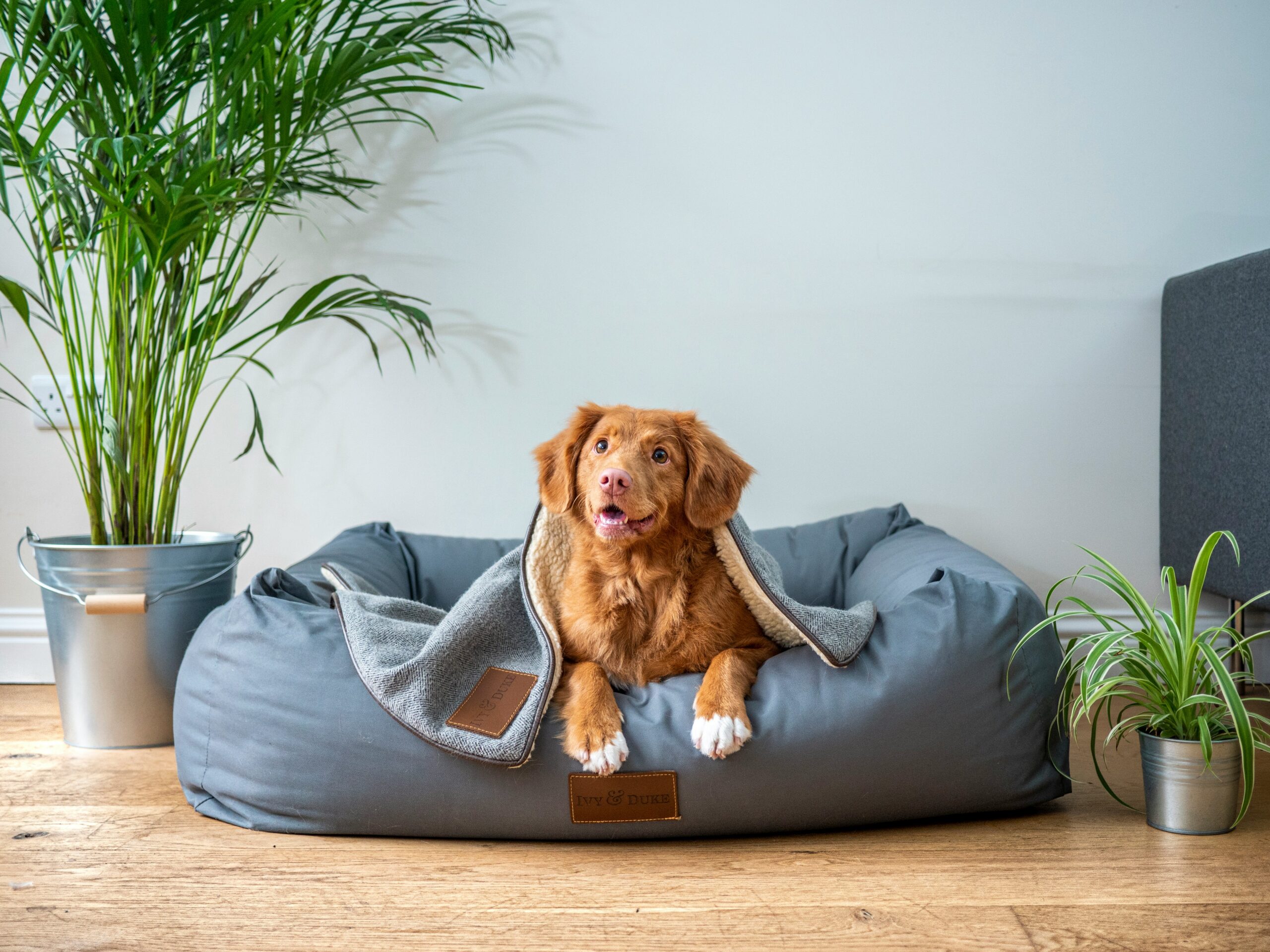
Moving to a new home is a significant undertaking, not just for you but also for your pets. The change in surroundings and the upheaval of the move can leave your pets feeling disoriented and anxious. However, with a little planning, you can make the transition smoother for you and your pets. Here are some key tips on what to do when moving house with a cat or dog.
Keep Your Pet’s Routine After You Move
Animals, especially dogs and cats, thrive on routine. Abrupt changes can cause them unnecessary stress. So when learning what to do when moving house with a cat or dog, your first priority should be to maintain their routine. In the days leading up to and following the move, try to keep feeding times, walks, and playtimes consistent. Even in a new environment, familiarity in routine will make your pets feel more secure.
Pet Proof Your New Home
Before you let your pet roam free in the new house, it’s essential to pet-proof it. Understanding what to do with cats when moving house – or dogs for that matter – often involves adapting the environment so it’s safe for them. So check for any holes or gaps in the fences where your pet could escape, secure loose wires or cables, and make sure there are no poisonous plants or substances within their reach. Pet-proofing not only keeps your pet safe but also allows them to explore their new home with less supervision, helping them adapt faster.
Acclimatise Your Dog or Cat with Boxes & Other Moving Equipment in Advance
Pets can get anxious when they see boxes piling up and the house getting emptied. If you’re looking to help a dog when moving house, or a cat, try to get them used to the moving supplies like boxes, packing tape, and bubble wrap in advance. Place some treats or their favourite toy inside the boxes to make it a positive experience. Letting your pets get used to these elements can reduce their anxiety on moving day.
Packing & Organising Pet Supplies
When it comes to packing, make sure to have a designated box or bag for your pet’s essentials. This should include food, medication, leashes, and toys. Mark this box clearly and keep it accessible, as you’ll need to get to it quickly when you arrive at the new home. Doing so helps to re-establish a sense of normality and routine as quickly as possible for your pet.
Create a Safe Space for Your Cat or Dog
Upon arrival at your new home, immediately set up a ‘safe space’ for your pet. This could be a particular room or a corner equipped with their bed, toys, and other familiar items. A safe space can serve as a retreat where your pet can go to feel secure amidst the chaos of the move. For cats, this is especially important, as they’re highly sensitive to changes in their environment.
Prepare a Pet Travel Bag
On the day of the move, prepare a travel bag for your pet. This should include water, a bowl, a leash for dogs, a carrier for cats, and some snacks or treats. If you’re travelling a long distance, you may also need to include a few more essentials like waste bags for dogs or a small litter box for cats. Having all these items ready will make the journey more comfortable.
Look for New Vets in Your New Location
Before you move, research and identify veterinarians in your new location. This is crucial as you never know when a pet emergency could arise. Once you’re settled in, schedule a check-up to ensure your pet is adapting well to the new environment. This also helps in establishing a relationship with a new vet, which can be helpful for future healthcare needs.
How Boxx Storage Can Help in Making Your Move Less Stressful
Storage services, like the ones we provide at Boxx Storage, can significantly ease your moving experience and take some of the stress away. With options to store items both short-term and long-term, you can gradually move your belongings – reducing the chaos often associated with moving day. This allows you to focus on helping your pet adapt to the new home, rather than dealing with the logistical complexities of moving all your items at once. For more information on how we can help streamline your move – get in touch with a member of our team today.
Moving with a pet does require some extra planning and effort, but the payoff is a smoother transition for both you and your furry family member. By keeping their routine consistent, preparing a safe space, and taking other necessary precautions, you can help your pet adapt to your new home with ease.



No comment